the role and functionality of contact thermostat in temperature control systems
Release time:2025-12-04 09:48:56
A contact thermostat is an essential component in various temperature control systems, commonly used in both household appliances and industrial settings. Its primary function is to regulate the temperature of a system by responding to temperature changes in the environment. By sensing the temperature through direct contact with a surface, a contact thermostat controls the activation of heating, cooling, or other equipment. This article explores the workings of contact thermostats, their applications, and the advantages they offer in temperature regulation.
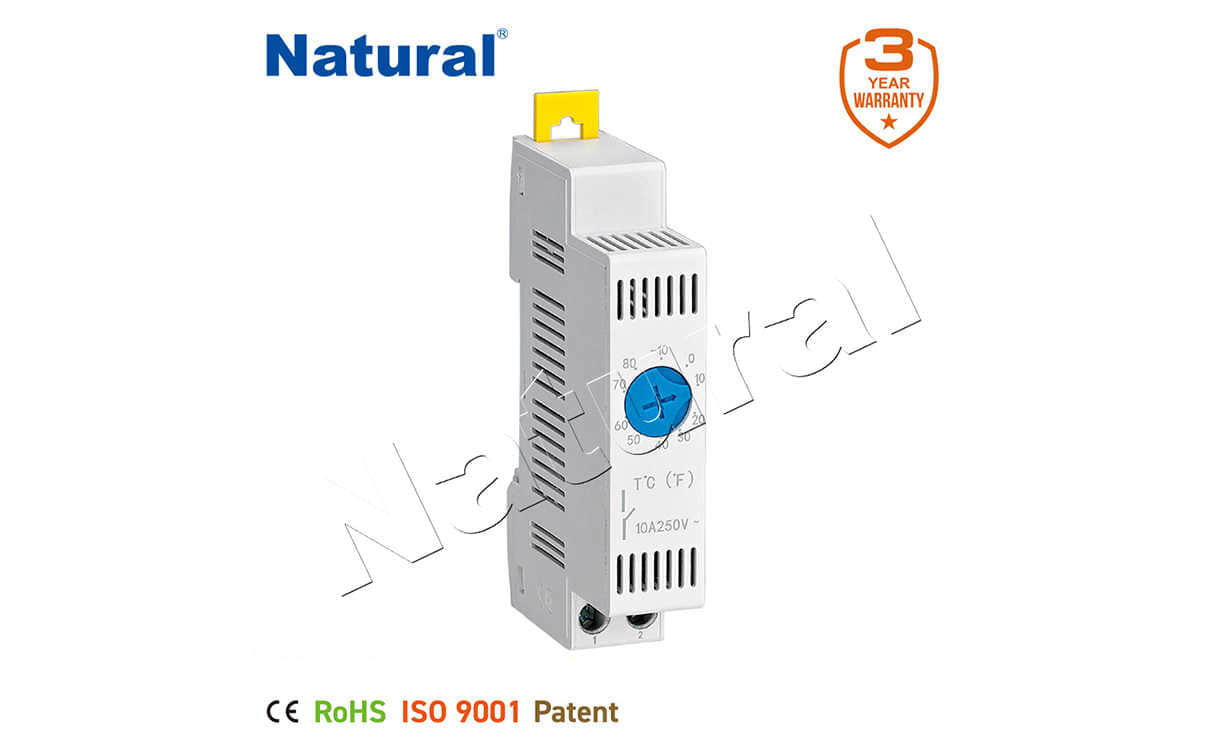
What is a Contact Thermostat?
A contact thermostat is a device designed to monitor and control temperature through direct contact with a surface. It typically consists of a temperature sensor, a switch mechanism, and a control system. The thermostat’s temperature sensor detects fluctuations in the temperature of the surrounding environment, and when a preset temperature is reached, the device triggers the switch, activating or deactivating the connected equipment. The switch is often a mechanical or electronic relay that initiates actions such as turning on heating systems, shutting down coolers, or maintaining a consistent temperature in various environments.


 28 items Patent